
How Flooring Affects the Light and Feel of a Room
Jo McAuliffe
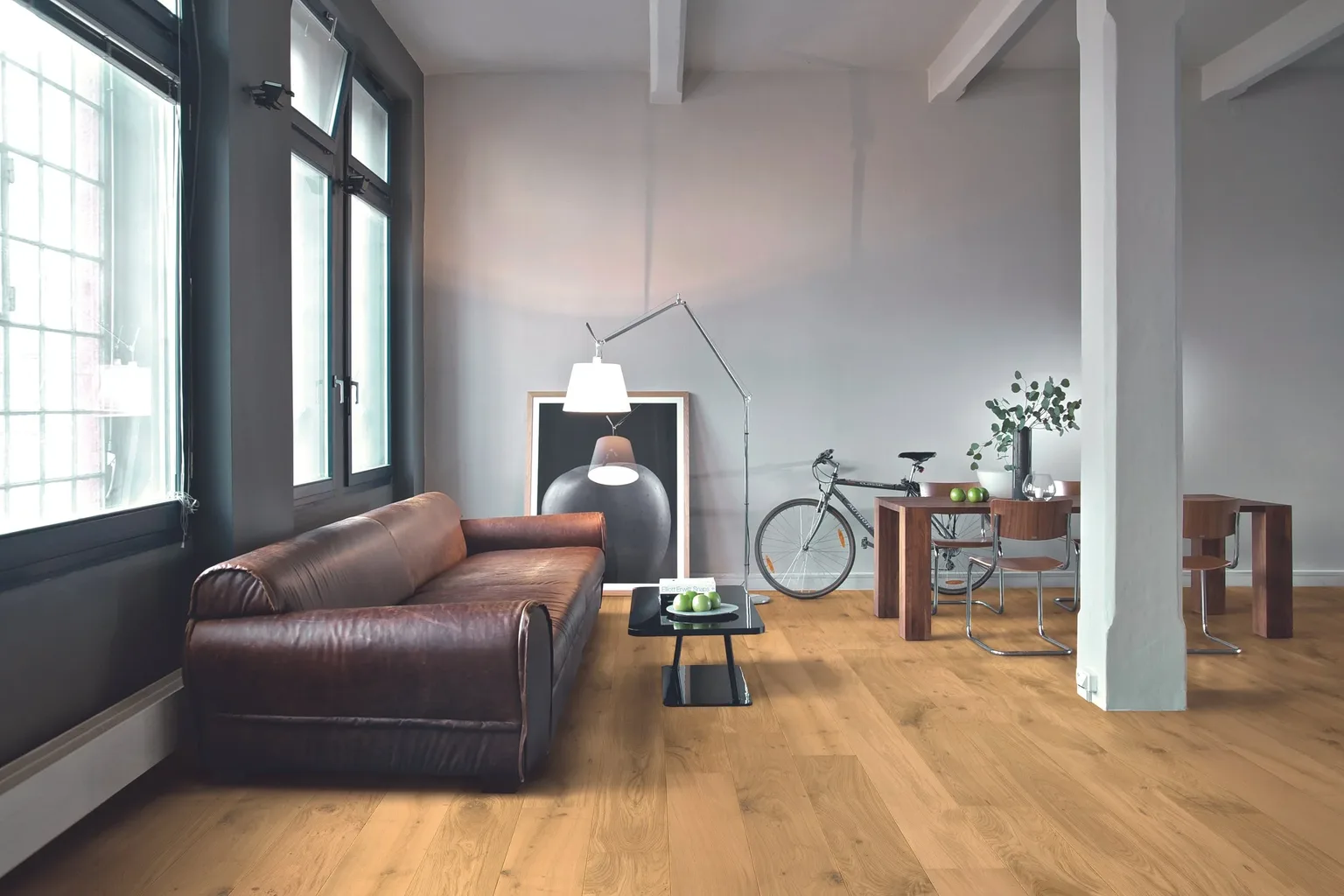
Flooring is the largest continuous surface in most rooms, which means its colour and finish do more to shape how a space feels than almost any other single decision. It’s something we talk through constantly with customers across Melbourne’s inner east, where period homes and their smaller windows make light a genuine design consideration.
Pale floors open a room up
Light-toned timber, hybrid or carpet reflects more of the available natural light back into a room, which can make a real difference in shaded or south-facing spaces. In smaller rooms, a pale, low-contrast floor also tends to make the space feel larger, since there’s less visual interruption for the eye to catch on.
Darker floors bring warmth and intimacy
In rooms with generous natural light (north-facing living areas, spaces with large glazing), a darker timber or hybrid floor can add warmth and a sense of grounding without making the room feel closed in. Espresso and walnut tones, in particular, pair well with brighter, light-filled spaces.
Finish matters as much as colour
A matte or low-sheen finish diffuses light softly across the room, while a higher-gloss finish reflects it more directly, which can either enhance brightness or create glare depending on the angle of your windows. We always recommend viewing samples under your own room’s lighting before deciding.
Getting it right for your home
Melbourne’s inner-east homes (from Camberwell’s period cottages to newer builds in Hawthorn and Balwyn) all have their own relationship with natural light. The right flooring choice takes that into account rather than following a one-size-fits-all trend.
Bring us your floor plan and window orientation, and we’ll help you choose a tone that works with your home’s natural light. Explore our Hard Flooring and Carpet ranges, or book a free in-home measure and quote.